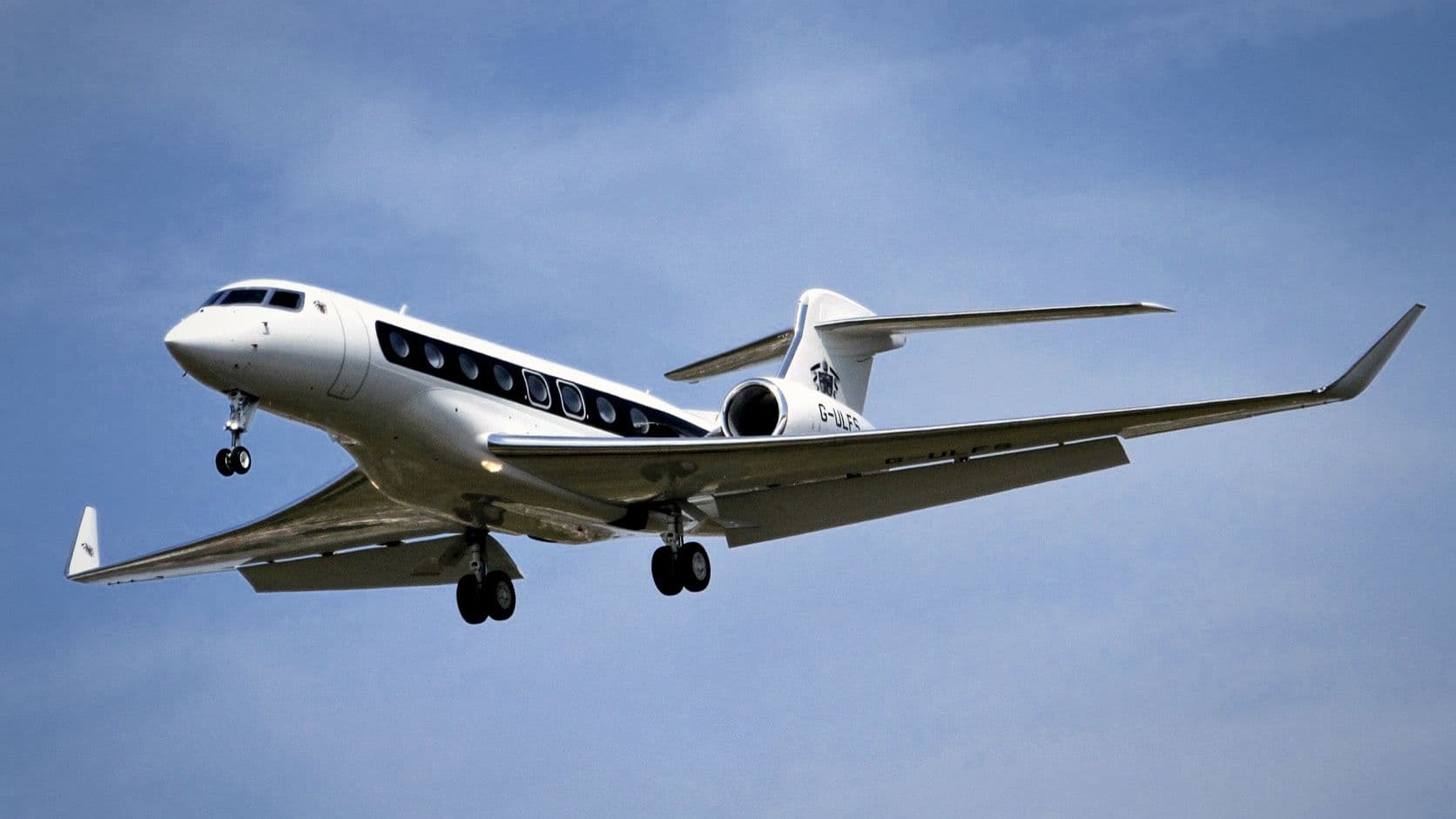
Buying an aircraft is rarely just a purchase.
It is the beginning of a long operating reality.
The aircraft must be selected, inspected, negotiated, registered, insured, crewed, maintained, managed, operated, tracked, and eventually sold. Each decision affects the next one. A small mistake during acquisition can become a large cost during ownership. A management decision can affect resale value. A maintenance decision can affect dispatch reliability, commercial availability, and buyer confidence years later.
So owners often face a practical question:
Should everything be handled by one provider, or should each field be handled by a separate expert?
There is no universal answer. But there is a very clear way to think about it.
The appeal of the one-stop shop
A one-stop shop can be efficient.
One provider may offer aircraft acquisition, management, commercial operation, maintenance coordination, crew support, charter sales, reporting, and administrative control. For an owner who values simplicity, this can feel very attractive.
There is one relationship. One point of contact. One operating rhythm.
When the provider is competent and transparent, this can remove a lot of friction. The owner does not have to coordinate five different firms. The aircraft can move through decisions faster. Information can flow more easily between the acquisition team, the management team, the maintenance team, and the operator.
That convenience has real value.
But convenience is not the same as protection.
Where the risk begins
The main risk with a one-stop shop is conflict of interest.
If the same provider helps you buy the aircraft, manages it afterward, operates it commercially, recommends maintenance actions, controls the reporting, and benefits from keeping the aircraft inside its own system, the owner must ask a simple question:
Who is challenging the advice?
For example, a commercial operator may want high utilization. The owner may want asset preservation and controlled wear. A management company may prefer a maintenance provider it already works with. That may be efficient, but is it the best technical or financial choice? A seller-connected advisor may know the aircraft well, but is the recommendation fully independent?
These questions do not mean the provider is dishonest. They mean the structure needs governance.
Aircraft ownership involves competing priorities. Availability, revenue, maintenance timing, crew planning, regulatory compliance, cash flow, and resale value do not always point in the same direction. Someone must represent the owner's interest clearly when those priorities collide.
Why independent specialists matter
That is where individual experts can be powerful.
A strong acquisition advisor focuses on mission fit, market value, negotiation, ownership cost, and exit risk. A technical inspector focuses on the aircraft's condition, records, maintenance status, damage history, upcoming events, and hidden exposure. An aviation lawyer focuses on contract protection, liability, registration, and closing mechanics. A tax advisor focuses on the ownership structure and jurisdictional consequences. A management company focuses on the operating life of the aircraft.
Each expert brings depth. More importantly, each expert can challenge the others.
That independence is valuable.
A technical inspector should not be afraid to say the aircraft is wrong. A lawyer should not be afraid to slow down a deal. A management company should not be allowed to make assumptions that the acquisition team never tested. A good advisor should not let commercial operation projections distract from maintenance reality.
But the independent-expert model has its own weakness.
It can become fragmented.
If nobody is leading the process, the owner becomes the coordinator. The lawyer waits for the technical report. The technical team waits for records. The management company gives input too late. The operator looks at commercial potential without understanding the owner's exit plan. Everyone does their job, but no one owns the whole picture.
That is where many aircraft transactions lose clarity.
The stronger structure
The best answer is usually not "one-stop shop" or "separate experts."
The best answer is independent leadership with specialist support.
The owner needs one trusted advisor who sits on the owner's side of the table. That advisor coordinates the specialists, challenges assumptions, keeps the purchase aligned with the ownership plan, and makes sure no single provider controls the whole truth.
Some services can be bundled. Others should stay independent.
Management and operational support can sit with one provider if reporting is transparent and incentives are clear. Maintenance coordination can be efficient through a known network, provided technical oversight remains independent. Commercial operation can make sense, but only if utilization, wear, revenue expectations, and owner availability are agreed properly.
But acquisition advice, pre-buy inspection, legal protection, and ownership-structure advice should never become rubber stamps.
The owner needs independent eyes at the points where mistakes are expensive.
This is the role Glintero is built to play: not another layer of noise, but the owner-side lead who coordinates specialists, challenges assumptions, and keeps the aircraft decision tied to the ownership strategy.
A one-stop shop may reduce friction.
Independent experts may reduce blind spots.
The right structure does both: it gives the owner simplicity without surrendering control.
That is the difference.
In aircraft ownership, the goal is not to collect advisors. It is to build accountability.
One clear lead. The right specialists. Transparent reporting. No one marking their own homework.
That is how an aircraft purchase becomes an ownership strategy, not just a transaction.