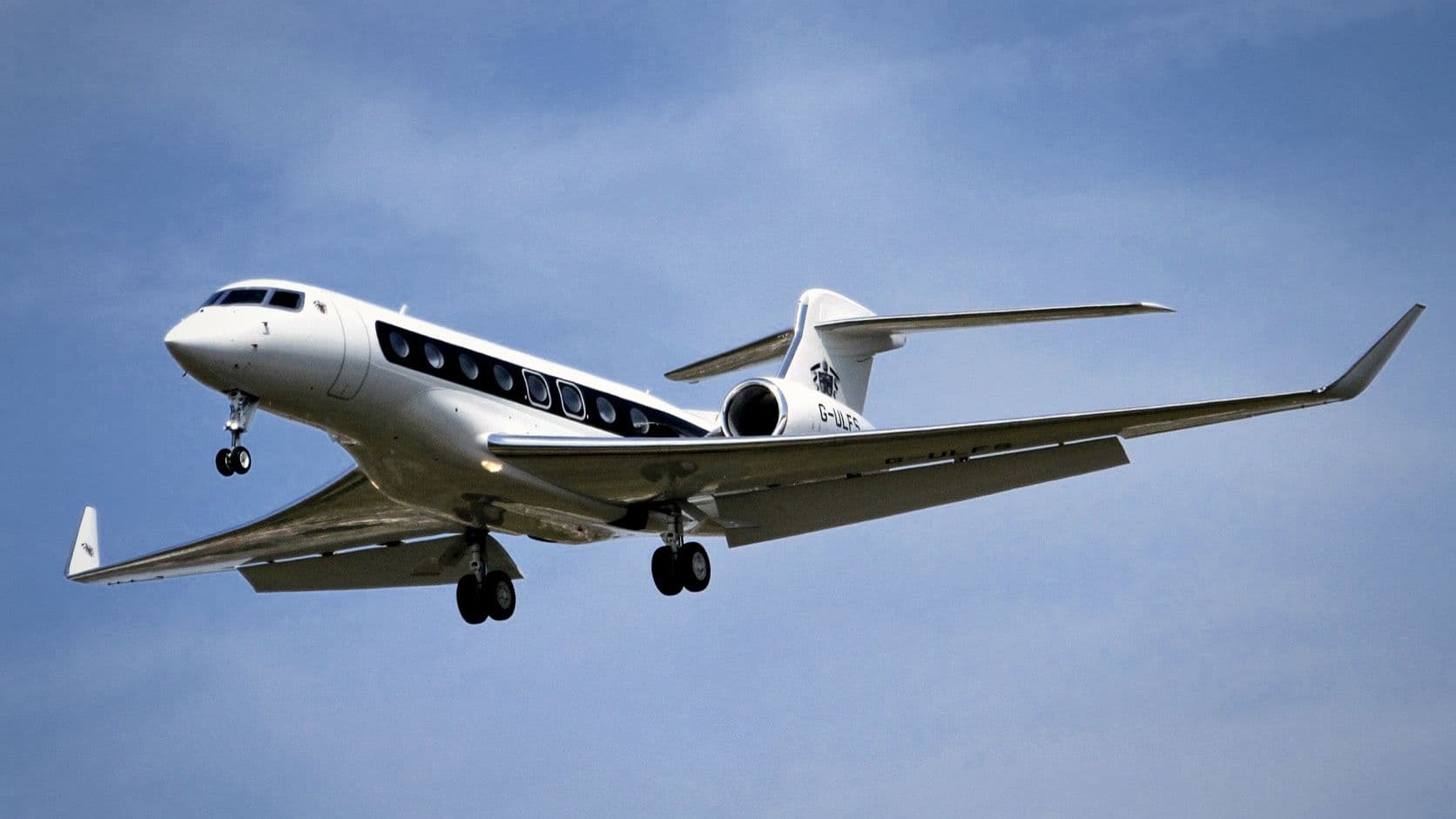
The Legacy 650 is easy to understand on paper.
Large cabin. Good range. Strong owner appeal. Sensible acquisition pricing compared with many large-cabin alternatives.
That is why buyers notice it.
It can feel like a lot of aircraft for the money.
And in the right case, it is.
But that phrase can also create the wrong buying logic.
A lot of aircraft for the money is not the same thing as low-cost ownership.
With the Legacy 650, that distinction matters.
The opportunity
The Legacy 650 can be a rational aircraft for a buyer who wants cabin space, useful range, and a proven Embraer platform without moving into a higher ultra-long-range ownership band.
For many owners, that is a practical position.
The aircraft can fit regional executive travel, Europe-Middle East-Africa missions, family office use, and corporate travel where cabin comfort matters.
It is not a novelty purchase.
It is a mission-fit purchase.
That is where the Legacy 650 can make sense. The buyer is not chasing the newest aircraft. The buyer wants capability that fits the job, at an acquisition level that can be defended.
But only if the rest of the ownership picture supports it.
The trap
The trap is simple.
The aircraft looks attractive enough that the buyer starts with price.
"This is a lot of cabin for the money."
That may be true.
It is not enough.
Two Legacy 650s can look similar in photos and still be very different acquisitions.
One may have clear records, strong engine and APU coverage, good cabin condition, current connectivity, sensible inspection timing, and a clean compliance path.
Another may have a lower headline price but real exposure sitting in the next ownership cycle.
Same model.
Different aircraft.
Different risk.
Mission fit comes first
The first question is not whether the aircraft is impressive.
The first question is whether the mission really needs it.
The Legacy 650 works best when the owner needs a large cabin and range profile that justify the fixed cost and operating structure.
It is weaker logic when the owner mainly flies short sectors, carries small passenger loads, or wants the aircraft because the cabin-per-dollar story feels tempting.
Buying more aircraft than the mission needs can look smart on acquisition day.
It rarely feels smart after the operating pattern becomes clear.
Mission fit protects the buyer from confusing value with size.
Maintenance exposure decides whether the price is real
A lower acquisition price can be useful.
It can also be a warning label.
With the Legacy 650, a buyer should understand the next 24 months before getting comfortable with the deal.
The core diligence points are straightforward:
- Rolls-Royce AE3007 engine status and program coverage
- APU program and maintenance position
- upcoming calendar and hourly inspections
- service bulletin and modification compliance
- avionics and international operating requirements
- cabin management and connectivity status
- interior condition and refurbishment exposure
- logbook continuity and records access
- where the aircraft has been operated and maintained
None of these points are exotic.
They are the basics that decide whether the aircraft's value is real.
If they are handled well, the Legacy 650 can be a disciplined acquisition.
If they are vague, the buyer is not buying value. The buyer is buying uncertainty with a nice cabin attached.
Programs are not labels
Engine and APU coverage deserve more than a line in a specification sheet.
"On program" is not a full diligence answer.
The buyer needs to know what is covered, what is excluded, whether payments are current, and whether the program transfers cleanly.
This matters because the Legacy 650 sits in a category where engine and APU assumptions can change the economics quickly.
A buyer who does not understand the program position may think the aircraft is protected when it is only partly protected.
That is not a detail to discover later.
Cabin relevance affects both ownership and resale
The Legacy 650 cabin is one of the reasons buyers consider the aircraft.
But cabin size is only part of the passenger experience.
Connectivity matters. Cabin management matters. Seating condition matters. Interior age matters.
A dated cabin does not automatically make the aircraft wrong.
It only needs to be priced and planned honestly.
If the buyer expects a ready-to-enjoy aircraft and later discovers a refurbishment or connectivity project is needed, the acquisition logic changes.
Cabin relevance belongs in the ownership-cost conversation, not in a separate cosmetic discussion.
Records make value believable
The Legacy 650 should not be sold on adjectives.
It should be sold on evidence.
Clean records, inspection clarity, program documents, modification history, and a straightforward maintenance story make it easier for a buyer to trust the aircraft.
Weak records do the opposite.
They turn a value story into a question mark.
This matters for both sides.
For the buyer, records reduce doubt before commitment.
For the seller, records defend price before negotiation becomes defensive.
In this part of the market, the cleanest aircraft story often matters more than another round of praise for the cabin.
Compliance and transfer path need early attention
The buyer issue is not whether the Legacy 650 is a recognized type.
The practical issue is whether this specific aircraft can move cleanly through the intended transaction path.
That means records, AD and SB status, modifications, STCs where relevant, export certificate of airworthiness work, and registry-transfer paperwork need to be understood early.
This is especially important when aircraft move between different regulatory environments.
The problem is rarely the headline certification story.
The problem is the detail that slows the transaction when everyone assumed the paperwork would be simple.
Seller positioning
A Legacy 650 seller should not rely only on "large cabin value."
That is a starting point, not a defense.
The seller should be ready to explain:
- why this aircraft is better than cheaper alternatives
- what the maintenance position really looks like
- how the engines and APU are protected
- whether the cabin is current enough
- what records are ready for serious buyer review
- what the next owner should expect over the next ownership cycle
That is how value is defended.
Not with louder marketing.
With less uncertainty.
The Glintero view
The Legacy 650 can be a good aircraft for the right buyer.
It can deliver meaningful cabin comfort and sensible large-cabin capability when the mission, budget, and ownership plan all line up.
But "good value" should be earned.
It should be tested against mission fit, maintenance exposure, program coverage, records quality, cabin relevance, compliance path, and resale logic.
My view is simple:
Mission fit first.
Maintenance exposure second.
Price third.
Not because price is unimportant.
Because price only means something when the aircraft fits the job and the ownership picture is clear.
For buyers comparing large-cabin options, Glintero can turn those questions into an aircraft-specific review before commitment.